
Unwanted Abortions
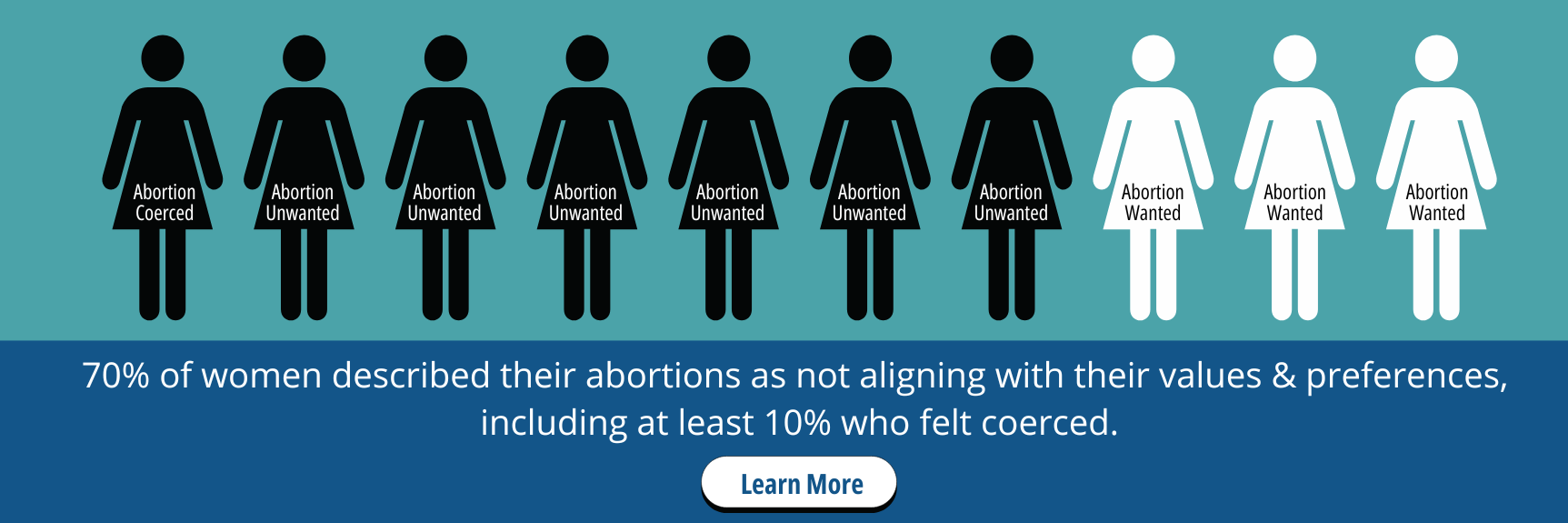
A women’s “right to choose” abortion as a reproductive health option has always been described as a positive. Her life can move on with little to no consequence to her life plans. But what if the choice of abortion wasn’t really her choice?
The Charlotte Lozier Institute (CLI) is an organization that compiles scientific, statistical, and medical research in order to paint an accurate picture of abortion. Their finings differ greatly from the messaging seen and heard on mainstream media; revealing a troubling trend of coercive tactics being utilized to drive her decision towards abortion over the desision that best aligns with her personal values and desires. Below you will find data and links to papers found on CLI’s webpage about unwanted abortions.
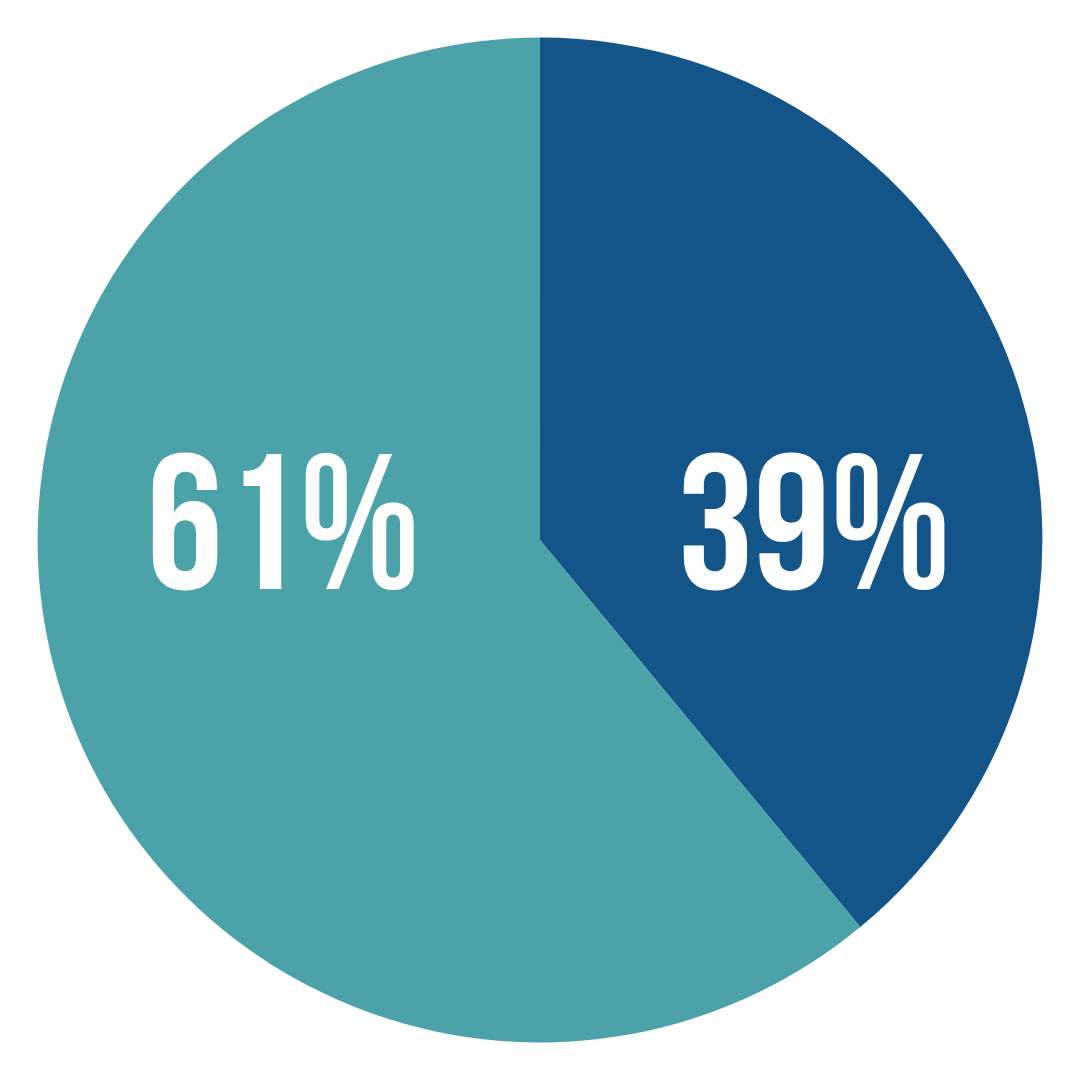
61% of women felt high levels of pressure to choose abortion because of finances, circumstances, or other people in their lives – with over 25% of that pressure coming from their partner.
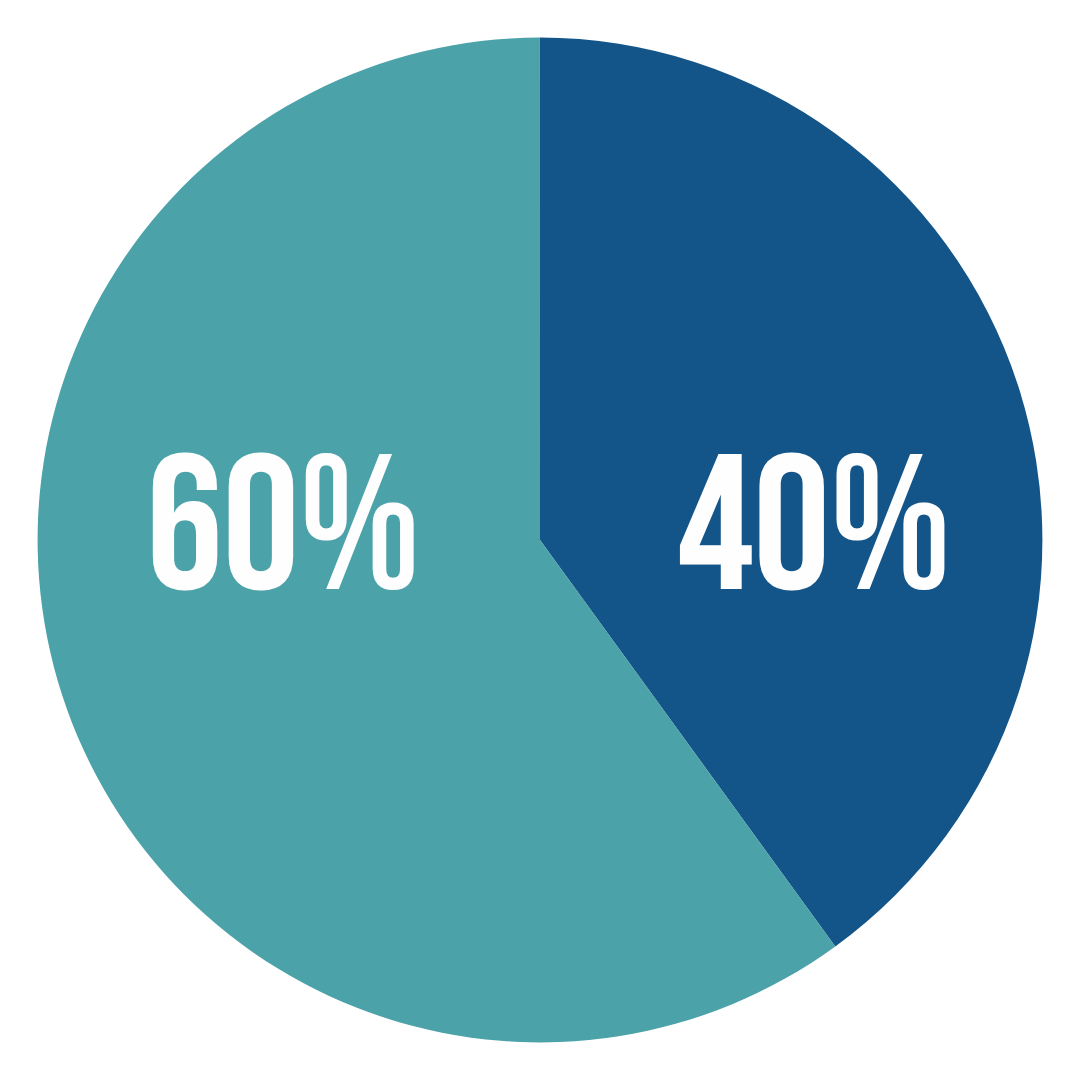
60% of women indicated that they would have preferred to carry to term if they had received more emotional support or financial security.
Additional Abortion Impact Study Links

Effects of Pressure to Abort on Women's Emotional Responses and Mental Health
Key finding: Over 60% of women felt high levels of pressure to abort from finances, life circumstances, or other people in their lives.
The Effects of Abortion Decision Rightness and Decision Type on Women's Satisfaction and Mental Health
Key finding: Nearly 70% of women did not want their abortions, and 60% would have preferred to give birth if they had more financial/emotional support.
Welcomed Pregnancies: Characteristics and Patterns of Adjusting to Unwanted, Unplanned, Untimely or Otherwise Difficult Pregnancies
Key finding: Over 60% of women felt high levels of pressure to abort from finances, life circumstances, or other people in their lives.
Suicide risks associated with pregnancy outcomes: a national cross-sectional survey of American females 41-45 years of age
Key finding: Of women who had abortions and then later attempted suicide, over half said that the abortion played a role.
Is relief the most common reaction to abortion? Self-assessed intensity of emotions attributed to abortion in a national sample of women aged 41 to 45
Key finding: Women with unwanted abortions experienced higher levels of guilt and depression than they did relief.
Degrees of grief and complicated grief self-attributed to natural and induced pregnancy losses in a national population of 41-45-year-old females
Key finding: Women whose abortions were unwanted were more likely to have high risk scores for complicated or prolonged grief.
Identifying underlying factors in risk factors and emotional sequelae self-attributed to abortion: development and validation of a brief assessment tool
Key finding: Attachment to the pregnancy, feelings of pressure, and lack of support are risk factors for negative emotional outcomes after abortion.
For more articles, studies, and information about unwanted abortions, visit: https://lozierinstitute.org/unwantedabortions/